 Vigorix
Best Beard Growth Products for Men in 2025: Tested & Compared
A fuller beard comes down mostly to genetics and time, but the right products can help you make the most of the follicles you have and keep the beard you grow looking healthy. The category is a mix: derma rollers and minoxidil have the most plausible mechanisms for encouraging growth, while serums and conditioning oils mainly improve softness, shine and the appearance of fullness. Marketing in this space runs hot, so it pays to separate what's evidence-based from what's simply good grooming. We compared five of the most popular beard products on ingredients, realistic expectations, ease of use and value to help you spend wisely.
The Beard Club Derma Roller Growth Kit
It bundles a quality micro-needling derma roller with beard-focused topicals in one affordable, beginner-friendly package. Micro-needling is one of the more plausible at-home methods for stimulating follicles, and pairing it with a consistent topical routine gives most men the best practical shot at a fuller-looking beard without a prescription.
At a Glance: Top 5 Compared
| # | Product | Price* | Rating | Best For |
|---|---|---|---|---|
| 1 | The Beard Club Derma Roller Growth Kit | ~$30–40 | 4.5 / 5 | Beginners wanting an all-in-one growth routine |
| 2 | Rogaine 5% Minoxidil Foam | ~$45 (3-month supply) | 4.4 / 5 | Men wanting the most research-backed approach |
| 3 | Vegamour GRO Beard Serum | ~$58 (1 oz) | 4.2 / 5 | Men who prefer a plant-based, non-drug routine |
| 4 | Honest Amish Classic Beard Oil | ~$25 (2 oz) | 4.7 / 5 | Softening, taming and healthier-looking beards |
| 5 | Beardbrand Utility Oil | ~$25 (1 oz) | 4.6 / 5 | Men who want a refined, multi-use grooming oil |
*Approximate prices for reference only. Confirm the current price on the retailer's page before buying.
The Beard Club Derma Roller Growth Kit
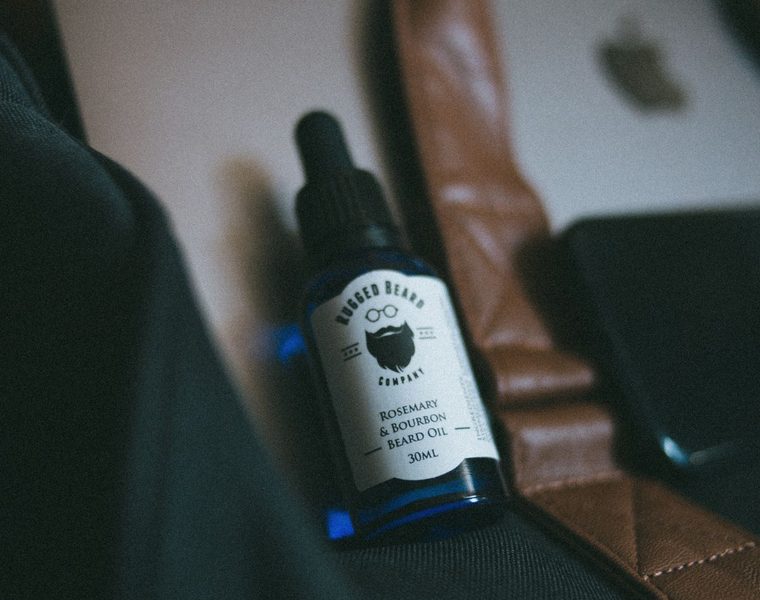
The Beard Club packages a micro-needling derma roller together with beard-growth topicals and grooming products in a single starter kit. Micro-needling creates tiny channels in the skin that may stimulate blood flow and follicle activity, and it's one of the more evidence-supported at-home approaches when used consistently. The kit is affordable and beginner-friendly, making it easy to build a routine without buying components separately. Results are gradual and depend heavily on genetics and consistency, not the kit alone.
Pros
- All-in-one routine at an accessible price
- Micro-needling has a plausible growth mechanism
- Beginner-friendly with clear instructions
- Bundles topicals and grooming tools together
Cons
- Requires weeks of consistent use for any effect
- Roller needles need proper cleaning and eventual replacement
- Results are highly genetics-dependent
Rogaine 5% Minoxidil Foam
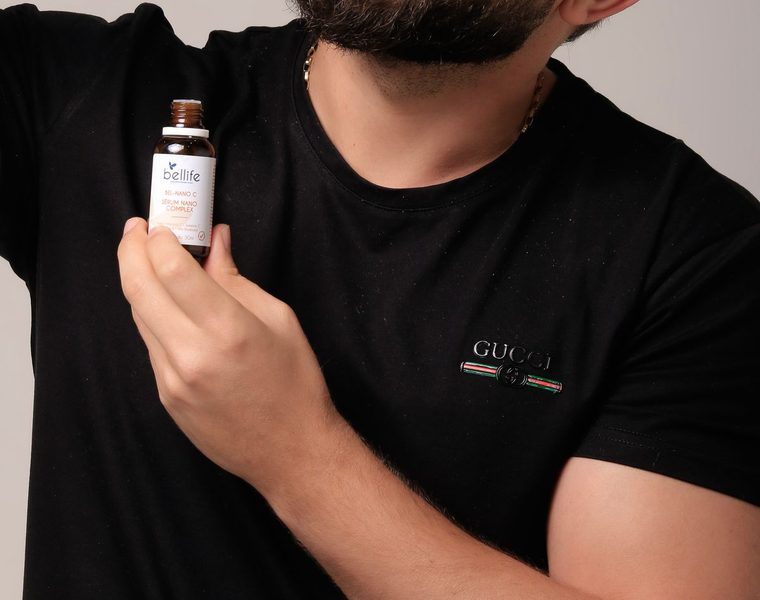
Rogaine's 5% minoxidil foam is FDA-approved for scalp hair loss, and using it on the beard is an off-label application that's widely discussed in men's grooming communities. Minoxidil has the strongest evidence of anything here for actually stimulating hair growth, and small studies on facial hair have shown promise, but applying it to the face is not its approved use and should be approached thoughtfully. It can cause skin dryness or irritation, and any gains typically fade if you stop. Set realistic expectations and consider talking to a dermatologist first.
Pros
- Minoxidil has the strongest growth evidence in the category
- Small studies show promise for facial hair
- Widely available and well-understood
- Foam format dries faster than the liquid
Cons
- Beard use is off-label, not an approved indication
- Can cause facial dryness, flaking or irritation
- Gains often reverse after you stop applying it
Vegamour GRO Beard Serum
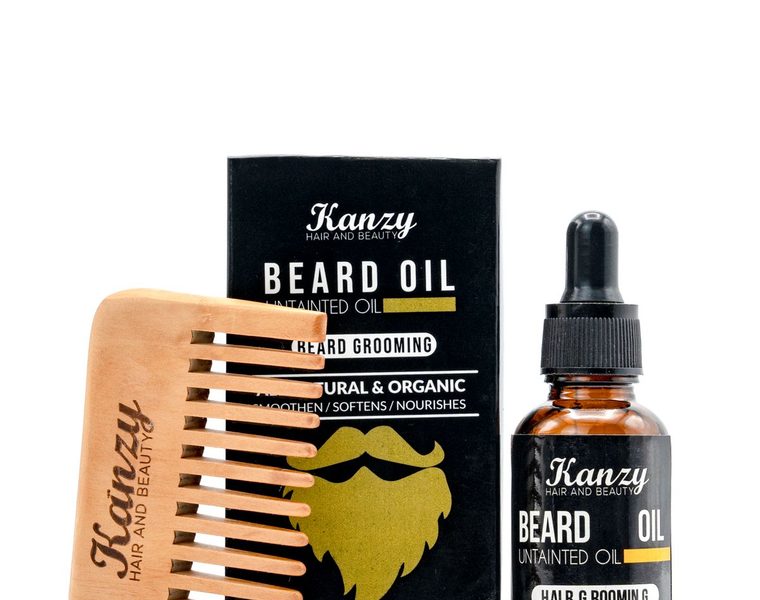
Vegamour's GRO Beard Serum is a plant-based, vegan formula built around botanical actives like mung bean, red clover and curcumin extracts rather than pharmaceuticals. It's positioned to support the look of density and to condition the beard and skin beneath it, appealing to men who want to avoid minoxidil. The evidence for botanical growth serums is far weaker than for minoxidil, so it's best viewed as a conditioning and appearance product with possible mild support. It's also one of the pricier options per ounce.
Pros
- Vegan, plant-based formula with no minoxidil
- Conditions the beard and skin underneath
- Lightweight, non-greasy application
- Popular with the natural-grooming crowd
Cons
- Weak growth evidence versus minoxidil
- Expensive per ounce
- Best seen as conditioning, not true growth
Honest Amish Classic Beard Oil
Honest Amish Classic Beard Oil is a cult-favorite conditioning oil made from a blend of natural carrier and essential oils designed to soften coarse hair, reduce itch and tame flyaways. It won't grow new follicles, but a well-conditioned beard looks fuller, healthier and less wiry, which is often what men actually want. It's handmade, widely praised for value, and a little goes a long way. Think of it as everyday grooming maintenance rather than a growth treatment.
Pros
- Excellent value and long-lasting bottle
- Softens hair and reduces beard itch
- Natural oil blend with a subtle scent
- Consistently high user ratings
Cons
- Conditions appearance only — no real growth effect
- Scent won't suit everyone
- Can feel heavy if over-applied
Beardbrand Utility Oil
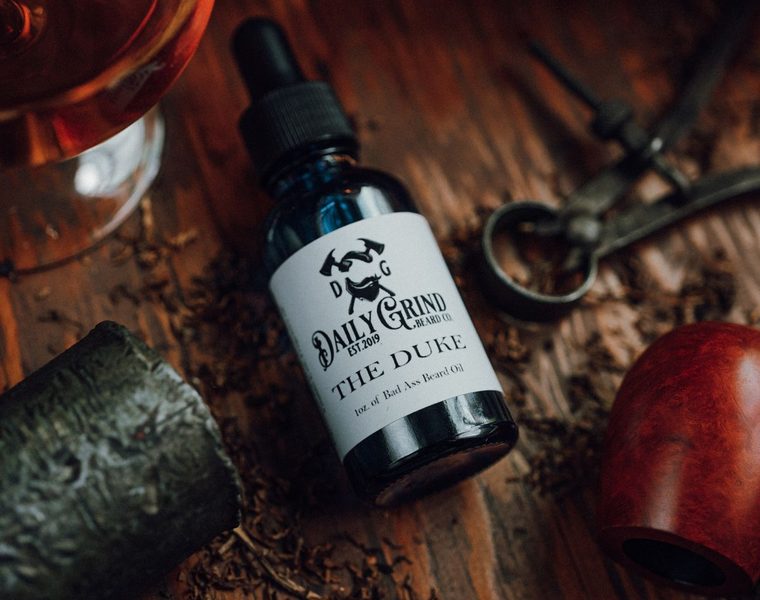
Beardbrand's Utility Oil is a premium, lightweight grooming oil that works on the beard, hair and skin, with a refined fragrance range and a non-greasy finish. Like other oils it conditions and improves appearance rather than stimulating growth, but its quality, versatility and scent make it a favorite for men who treat grooming as part of their routine. It's more expensive per ounce than budget oils, so it's aimed at buyers willing to pay for a premium experience. Manage expectations: this is polish, not a growth product.
Pros
- Multi-use on beard, hair and skin
- Refined fragrances and non-greasy finish
- High-quality, reputable grooming brand
- Absorbs cleanly without residue
Cons
- Premium price per ounce
- No growth effect — conditioning only
- Smaller bottle than budget rivals
Frequently Asked Questions
Can any product actually make my beard grow thicker?
Your beard's density and coverage are mostly set by genetics, age and hormones. Minoxidil has the strongest evidence for stimulating hair growth and micro-needling has a plausible mechanism, but neither guarantees results and both take months of consistent use. Oils and most serums improve how a beard looks and feels rather than growing new follicles.
Is it safe to use Rogaine (minoxidil) on my beard?
Using minoxidil on the beard is an off-label application — it's FDA-approved for the scalp, not the face — and it's commonly discussed in grooming communities. Some men see results, but it can cause dryness or irritation, gains often reverse if you stop, and it's wise to speak with a dermatologist before starting, especially if you have sensitive skin.
How long until I see results?
For growth-oriented approaches like micro-needling or minoxidil, plan on at least 8–16 weeks of consistent use before judging anything, and understand results vary widely. Conditioning oils improve appearance almost immediately but don't change actual growth.
Do beard oils help the beard grow?
Not directly. Beard oils condition the hair and the skin beneath it, reducing itch and flyaways so the beard looks fuller and healthier. That improved appearance is valuable, but oils don't create new follicles or meaningfully speed up growth.
Conclusion
For most men, The Beard Club Derma Roller Growth Kit is the best starting point — an affordable, beginner-friendly bundle built around micro-needling, one of the more plausible at-home methods. If you want the most evidence-based active, Rogaine 5% minoxidil foam works, though beard use is off-label and worth discussing with a dermatologist. Vegamour GRO suits men avoiding drugs, while Honest Amish and Beardbrand are outstanding conditioning oils that make any beard look healthier without promising growth. Set realistic expectations, stay consistent, and remember genetics still do most of the work.